
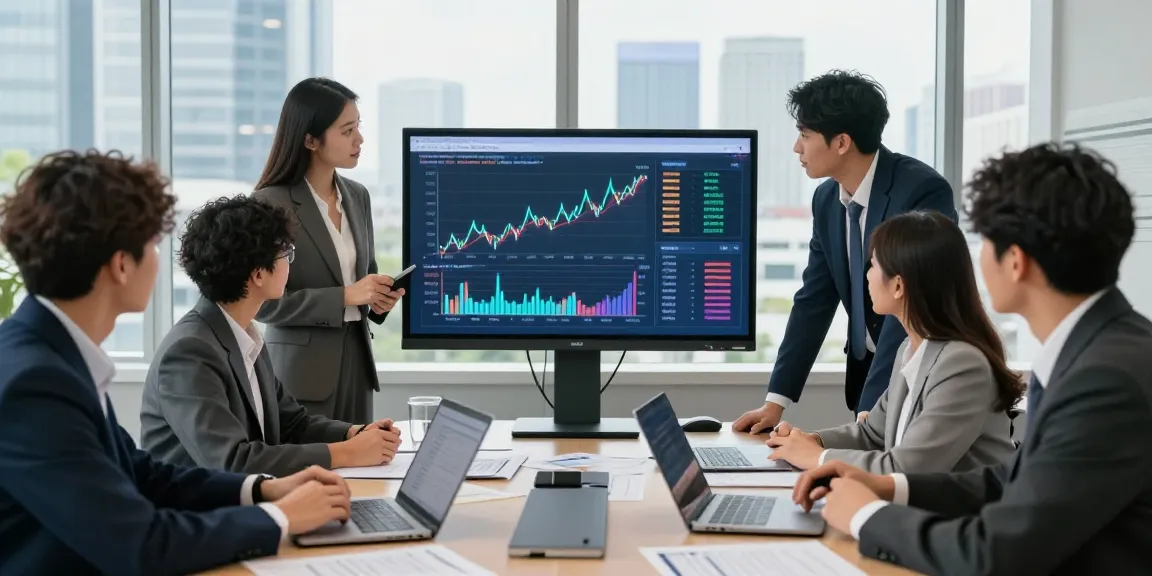
Understanding the Current Economic Landscape
As we enter 2026, the global economy is witnessing significant transformations shaped by various domestic and international factors. The interplay between inflationary pressures, evolving employment landscapes, and changing consumer behavior makes understanding the current economic landscape more crucial than ever. Those interested in economic trends must stay informed about the latest developments affecting both local and global markets. For comprehensive insights into economic trends, resources such as economy news gourmeticat present valuable information that can help businesses adapt and thrive.
Latest Trends in Economy News Gourmeticat
In the realm of economy news, several trends are emerging that are reshaping how businesses operate and strategize for the future. Key trends include:
- Digital Transformation: Businesses are increasingly adopting digital tools to enhance efficiency and adapt to changing consumer expectations.
- Sustainability Initiatives: A growing focus on sustainability is prompting businesses to reevaluate their practices, aiming for eco-friendliness while maintaining profitability.
- Remote Work Dynamics: The shift to remote work has created a new employment paradigm, influencing economic activity and real estate markets.
- Supply Chain Optimization: Companies are investing in technology and logistics to mitigate disruptions caused by global events, such as pandemics and geopolitical tensions.
Impacts of Global Events on Local Economies
The interconnectedness of today’s global economy means that events in one part of the world can have profound implications for local economies elsewhere. For instance:
- Geopolitical Tensions: Trade wars and economic sanctions can disrupt supply chains and affect commodity prices, impacting local businesses reliant on imports.
- Climate Change: Natural disasters driven by climate change can devastate local economies, particularly in agriculture and tourism-dependent regions.
- Technological Advances: Innovations in technology can shift job markets, requiring workers to adapt quickly to new skills and roles.
Essential Metrics to Monitor in 2026
To accurately assess the economic landscape, monitoring key performance indicators is essential. This includes:
- Gross Domestic Product (GDP): A primary indicator of economic health, reflecting the total value of goods and services produced.
- Unemployment Rate: A critical metric for gauging the job market's health and economic stability.
- Consumer Price Index (CPI): Tracking inflation and the cost of living changes over time.
- Trade Balance: Measuring the difference between exports and imports to understand economic competitiveness.
Building an Efficient Workflow for Economic Analysis
For economists and business analysts, developing an efficient workflow is paramount for effective economic reporting and analysis. Streamlining processes can lead to faster insights and improved decision-making.
Tools and Technologies for Automation
Several tools can enhance the efficiency of economic analysis. Utilizing automation software helps in data collection and analysis, freeing up time for in-depth strategic thinking. Key tools include:
- Data Visualization Software: Packages like Tableau and Microsoft Power BI allow analysts to present data effectively, making insights accessible to stakeholders.
- Automated Reporting Tools: Platforms such as Google Data Studio can automate the reporting process, ensuring real-time updates and accuracy.
- Cloud Computing Resources: Cloud services offer scalable storage and processing power, essential for managing large datasets.
Data Sources: Where to Find Reliable Information
Accessing reliable data is crucial for informed economic analysis. Recommended sources include:
- Government Reports: Official statistics from organizations like the Bureau of Economic Analysis (BEA) and the Federal Reserve provide credible economic data.
- Research Institutions: Universities and think tanks often publish extensive economic reports and forecasts.
- Industry Publications: Trade journals can offer insights specific to sectors, providing context for broader economic trends.
Common Challenges in Economic Reporting
Despite advancements in technology, several challenges persist in economic reporting:
- Data Quality: Ensuring data accuracy and reliability remains a challenge, as errors can lead to significant misunderstandings.
- Timeliness: Rapidly changing economic conditions demand timely data, which can be hard to obtain.
- Complexity of Analysis: The intricacies of economic models necessitate skilled analysts who can interpret results correctly.
Implementing Automation in Economic Reporting
Automation can revolutionize economic reporting, leading to increased efficiency and reduced human error. Embracing this trend is critical for future-ready organizations.
Step-by-Step Guide to Streamlining Processes
To successfully automate economic reporting, follow these steps:
- Identify Key Processes: Analyze which reporting processes can benefit from automation.
- Choose the Right Tools: Select automation tools that align with your reporting needs and data sources.
- Integrate Systems: Ensure seamless integration of your data sources and reporting tools.
- Train Staff: Provide training to staff on new tools and processes to maximize their effectiveness.
- Monitor and Adjust: Continuously evaluate the automated processes for efficiency and make necessary adjustments.
Real-World Examples of Automation Success
Many organizations have successfully implemented automation in their economic reporting. For example:
- Automotive Industry: Car manufacturers have used automation to optimize supply chains, enabling them to respond rapidly to market changes.
- Financial Institutions: Banks utilize automated reporting systems to generate compliance reports more efficiently, ensuring regulatory adherence.
Best Practices for Maintaining Data Integrity
As reliance on automated systems grows, maintaining data integrity is critical. Follow these best practices:
- Implement Regular Audits: Regularly review automated reports for accuracy and consistency.
- Establish Data Governance Policies: Define clear policies regarding data handling and reporting standards.
- Ensure User Training: Equip users with the skills needed to manage automated systems effectively.
Future Trends in Economy News Gourmeticat
Looking ahead, several trends are likely to shape the future of economic reporting and analysis, making it crucial for professionals to stay ahead of the curve.
Emerging Economic Indicators to Watch
With the ongoing evolution of the global economy, new indicators are emerging. Key indicators to monitor include:
- Digital Economy Metrics: As digital commerce expands, metrics related to online sales and digital engagement become increasingly relevant.
- Environmental, Social, and Governance (ESG) Factors: Investors are looking at ESG metrics to gauge long-term sustainability and risk.
- Workforce Dynamics: The gig economy and remote work trends will require new metrics for labor force analysis.
The Role of AI and Machine Learning in Analysis
Artificial intelligence and machine learning are set to play pivotal roles in economic analysis. Their applications include:
- Predictive Analytics: AI algorithms can analyze vast datasets to predict economic trends with accuracy.
- Real-Time Data Processing: Machine learning can process and analyze data in real-time, offering immediate insights into economic changes.
- Enhanced Decision-Making: AI tools can assist analysts in making data-driven decisions by identifying patterns and correlations.
Preparing for Economic Shifts in 2026
As we approach 2026, preparing for potential economic shifts is paramount. Consider focusing on:
- Scenario Planning: Develop flexible strategies that can adapt to various economic scenarios.
- Continuous Learning: Stay updated on economic trends and policies through continuous education and training.
- Investing in Technology: Leverage technological advancements to enhance economic analysis capabilities.
Frequently Asked Questions about Economy News Gourmeticat
What are the top sources for economy news?
Key sources for economy news include government publications, financial news websites, and economic research institutions.
How can automation improve economic reporting?
Automation can streamline reporting processes, reduce human error, and provide real-time insights into economic conditions.
What should I prioritize in my economic analysis?
Focus on key metrics such as GDP, employment rates, and consumer spending to gain a thorough understanding of economic trends.
How do global events affect local economy news?
Global events can impact local economies by influencing trade, investment, and consumer confidence, necessitating timely analysis and reporting.
What tools are best for tracking economic trends?
Utilize a combination of data visualization tools, economic databases, and reporting software to effectively track and analyze economic trends.